How to maximize programmatic revenue with real-time data
admin
April 2, 2019
Programmatic advertising is complex, but at Pixel Pluses, transparency isn’t a feature; it’s a foundational layer of smarter monetization, and anyone in yield management knows that even small technical problems can quietly reduce revenue. A slow bidder, a floor set too high, or a missed timeout can all add up over time.
This is why publishers are shifting their focus from general reporting to the auction itself. Real-time transparency is more than a trend. It gives you the data you need to see what’s happening and act before revenue is lost.
The problem with traditional reporting.
Most reporting tools display performance in dashboards with metrics such as impressions, revenue, CPMs, and fill rates. They show outcomes, but not what’s influencing them.
Here’s where they fall short:
1. Aggregation hides the real story
When data is averaged together, it becomes hard to understand why a specific impression sold the way it did.
You can’t see:
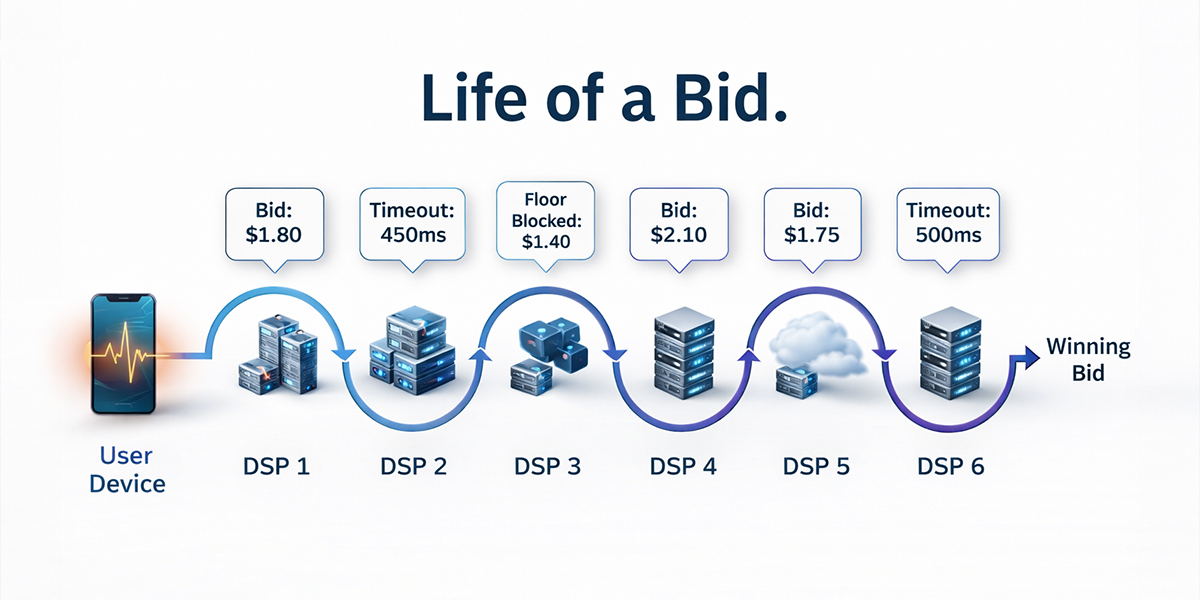
How competitive were the bids?
Whether the floors blocked the demand
If a bidder didn’t reply
Or if a technical issue caused a drop
You learn what happened, but not why.
2. Reporting delays cost money
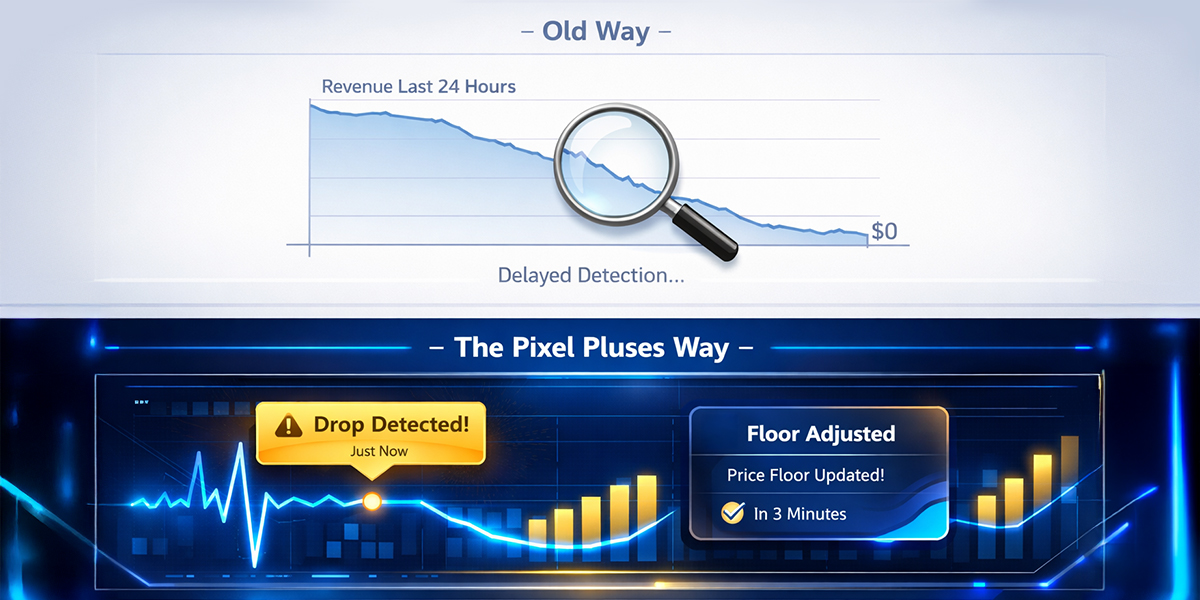
If you only notice problems the next day, you may lose a whole day’s revenue without understanding the cause.
A two-hour timeout without real-time alerts can cause late optimization and may miss demand surges.
3. The auction becomes a black box
You see the result, but not how it happened. That missing information makes optimization much harder.
What real-time auction transparency really means
Beyond buzzwords, real-time transparency means visibility into each auction as it happens.
This data usually includes:
Bid Requests & Responses
Who bid, who didn’t, and the actual bid price submitted.
Clearing Prices
This includes the winning bid and the auction type, such as first-price or modified second-price.
Floors Applied
Which floor was used, and whether it filtered out bids.
Latency
Response times for each partner so you can immediately spot slowdowns.
Loss Reasons
This could be a timeout, a no-bid, a low price, a creative rejection, or quality filters. In short, it covers anything that caused the bid to fail.
These data points are critical for diagnosing underperformance and optimizing revenue at the moment of opportunity.
How this visibility helps Publishers
When you view auctions at the event level, patterns are easier to spot, and decisions become simpler.
1. Smarter floor adjustments
Rather than relying on historical averages, you can use real bid behavior to set floors.
Example:
If your floor is $1.50 but you often see many bids between $1.40 and $1.48, lowering the floor a bit could help you capture more opportunities.
This approach helps publishers recover revenue that was mistakenly blocked.
2. Latency issues become instantly obvious
If a partner responds in 400ms but your timeout is set to 300ms, that partner is not really participating.
Real-time data makes these issues visible right away.
You can spot the problem, fix it, and prevent further revenue loss.
3. Real partner benchmarking
Auction logs allow you to compare partners based on actual auction activity, not just summary reports.
You can see:
Which partners consistently win
Who loses because of low bids?
Who times out
Which partners create bidding competition that lifts value?
How much higher are winning bids vs. runner-up bids
This gives you stronger negotiating power and a clearer sense of which partners add real value.
Why “Real-Time” is the crucial part
Programmatic demand can change quickly, sometimes within just a few minutes.
If there’s a sudden spike in advertiser interest, such as breaking news or trending content, real-time signals let you adjust your floors accordingly.
If reporting is delayed, you can miss the opportunity before you even realize it was there.
Real-time visibility lets your team improve yield as events unfold, rather than reacting after the fact.
What transparency realistically improves
To be clear, transparency won’t automatically increase bid prices or demand. Instead, it helps you work more efficiently by showing exactly where revenue is lost.
Transparency helps you:
Reduce loss rates
Identify technical issues early.
Adjust floors based on real bidding behavior.
Hold partners accountable.
Optimize inventory segments with precision.
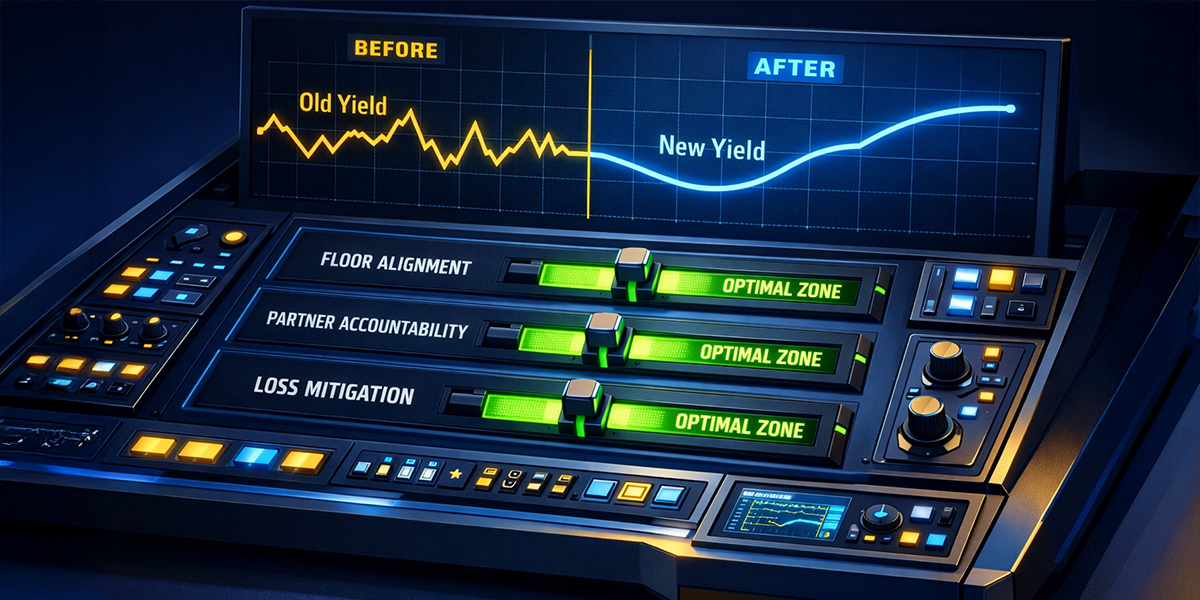
These changes lead to better eCPMs and a more stable yield over time.
What transparency doesn’t do
It’s important to understand the limits:
Transparency empowers action, but optimization is still your responsibility.
It can’t force buyers to bid more.
It requires infrastructure or a strong analytics layer to turn logs into action.
It simply provides the facts.
You still need to optimize on your end, but now you can base decisions on real evidence instead of guesswork.
Final thoughts: real-time clarity for revenue control
Real-time auction transparency gives publishers a real advantage:
You see issues the moment they happen.
You understand the real bidding behavior behind CPMs.
You make faster, better-informed decisions.
You move from reacting to proactively managing yield.
When margins are tight and competition is high, clarity becomes essential.
Every auction counts, and publishers who know what’s happening inside the auction will always outperform those who don’t.